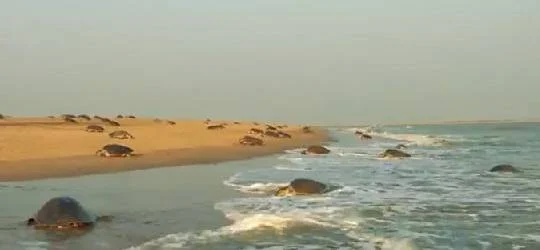
- Official Name: Gahirmatha Marine Wildlife Sanctuary
- Alternative Names: Gahirmatha Beach, Gahirmatha Marine Turtle Sanctuary
- Location: Rajnagar Forest Division, Kendrapara District, Odisha, India
- Nearby Protected Area: Bhitarkanika National Park
- Type: Marine Wildlife Sanctuary and Coastal Estuarine Habitat
- Coordinates: Approximately 20.57° N, 86.84° E
- Elevation: 0–4 metres above sea level
- Area: 1,435 sq km, including a 735 sq km core marine zone and 700 sq km buffer zone
- Famous For: Olive Ridley sea turtle mass nesting and the annual arribada
- Sanctuary Declaration: 26 September 1997
- Visitor Access: Restricted daytime boat access
- Boat Safari Timing: 07:00 AM–05:00 PM
- Core Nesting Beaches: Foot access prohibited for general tourists
- Entry: Forest Department permit required
- Indian Visitor Fee: Approximately ₹20 per person
- Foreign Visitor Fee: Approximately ₹1,000 per person
- Best Time to Visit: November to February
- Nearest Airport: Biju Patnaik International Airport, Bhubaneswar
- Nearest Railway Station: Bhadrak Railway Station
- Main Boat Access Points: Khola and Gupti
About Gahirmatha Marine Wildlife Sanctuary
Gahirmatha Marine Wildlife Sanctuary is a protected marine and coastal estuarine ecosystem in Rajnagar Forest Division of Kendrapara district, Odisha. It is internationally known for the mass nesting of Olive Ridley sea turtles (*Lepidochelys olivacea*) and is recognised as the world's largest known Olive Ridley mass-nesting rookery.
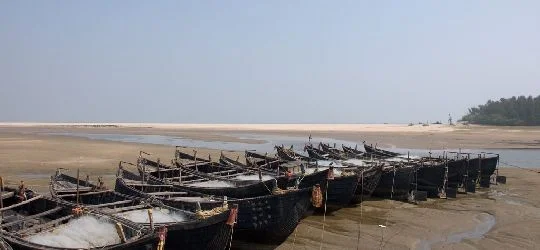
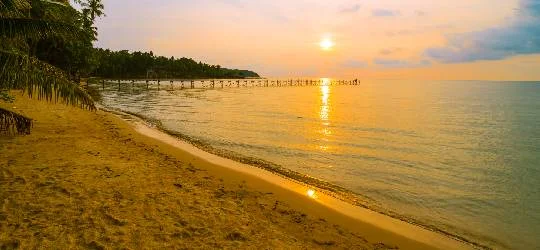
The sanctuary lies beside the Bhitarkanika National Park landscape, where mangrove estuaries meet the Bay of Bengal. Its shifting sandy barriers, mudflats, dunes and nearshore waters provide important habitat for Olive Ridley turtles and other marine and estuarine wildlife.
Gahirmatha was formally declared a marine wildlife sanctuary by the Government of Odisha on 26 September 1997. The protected area covers 1,435 sq km, comprising a 735 sq km core marine zone and a 700 sq km buffer zone.
The area is not a conventional beach destination. Visitor access is strictly controlled, and general tourists cannot walk onto the core turtle nesting beaches. The primary visitor experience is a permitted boat excursion through the marine and estuarine environment.
Key Attractions & Things to See
Olive Ridley Mass Nesting
The defining attraction of Gahirmatha is the annual mass nesting of Olive Ridley sea turtles. During an arribada, large numbers of female turtles come ashore together to lay their eggs on sandy coastal stretches.
The nesting phenomenon was scientifically identified at Gahirmatha in 1974. Offshore turtle aggregations can also occur before the nesting period as turtles gather in shallow coastal waters.
Nasi Islands
Nasi-1 and Nasi-2 are dynamic, uninhabited sandy islands associated with the sanctuary's turtle nesting ecosystem. These shifting coastal formations are shaped by deltaic and marine processes.
Direct tourist foot access to the core nesting beaches is prohibited to protect nesting turtles and their egg pits.
Coastal Estuarine Landscape
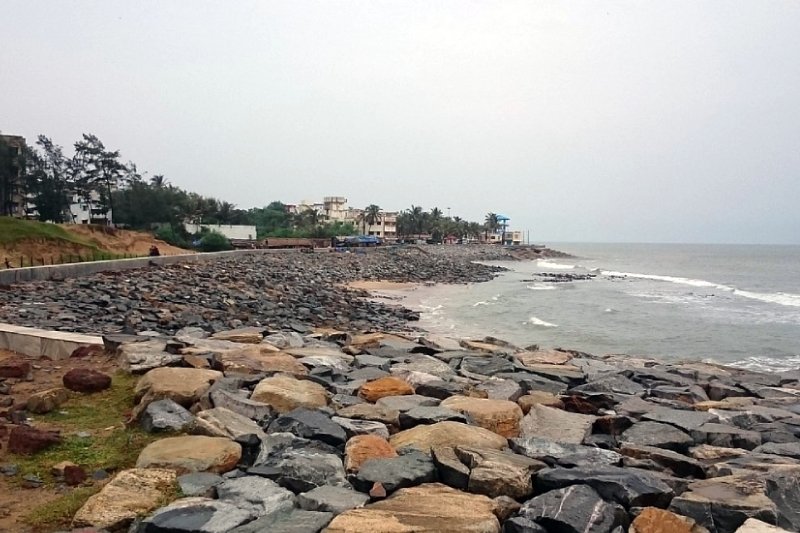
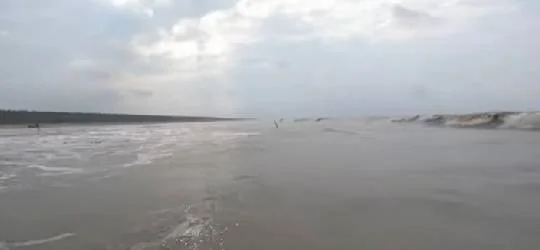
Gahirmatha contains a combination of sandy islands, mudflats, dunes, mangrove estuaries and shallow coastal waters. The sanctuary extends around the marine environment between the Dhamra River mouth in the north and the Brahmani River mouth in the south.
Marine and Estuarine Wildlife
The sanctuary supports Olive Ridley sea turtles, saltwater crocodiles, white-bellied sea eagles, horseshoe crabs and marine dolphins.
Irrawaddy dolphins and Indo-Pacific humpback dolphins may also be associated with the river-mouth and coastal waters.
Mangrove Vegetation
Mangrove species found in the ecosystem include Avicennia marina, Rhizophora mucronata and Sonneratia apetala. Coastal creepers and other shoreline vegetation are also part of the habitat.
Turtle Conservation Infrastructure
The protected landscape contains forest department anti-poaching camps, turtle monitoring facilities, hatcheries and watch towers. These facilities support monitoring and protection rather than conventional tourism.
Popular Activities & Things to Do
Take a Permitted Boat Safari
The main visitor activity at Gahirmatha is a Forest Department-authorised boat excursion. Boats travel from designated access points such as Khola or Gupti through the Bhitarkanika river channels towards the marine mouth.
Boat travel to the Gahirmatha marine area generally takes around 2–3 hours.
Observe Turtle Nesting Ecology
Visitors can experience the coastal environment and, during the appropriate season, observe turtle-related activity from permitted boat excursions. Direct access to nesting beaches is prohibited for general tourists.
Explore the Estuarine Landscape
The boat journey provides an opportunity to experience tidal channels, mangrove surroundings, sandy coastal formations and the transition between the Bhitarkanika estuarine system and the Bay of Bengal.
Observe Coastal Wildlife
The sanctuary's protected waters and estuaries provide opportunities for wildlife observation, including sea turtles, dolphins, saltwater crocodiles and coastal birds.
How to Reach
By Road
Gahirmatha is accessed through Rajnagar and designated boat points such as Khola and Gupti.
From Bhubaneswar or Cuttack, road travel proceeds towards Rajnagar through Kendrapara. Visitors then continue to an authorised jetty before transferring to a Forest Department-approved motorboat.
Private taxis can be hired for travel to Rajnagar or Gupti. The final marine journey must be made using authorised boats.
By Train
Bhadrak Railway Station is approximately 105 km from the sanctuary area and is the nearest major railway access point listed for Gahirmatha.
Cuttack Railway Station is approximately 140 km away.
From the railway station, visitors can continue by road to Rajnagar or the designated boat-access points.
By Air
Biju Patnaik International Airport in Bhubaneswar is approximately 170–180 km from Gahirmatha, with road travel taking around 4.5 hours.
The journey continues by road towards Rajnagar and then by authorised boat through the designated access route.
Distance Chart
-
Biju Patnaik International Airport, Bhubaneswar: Approximately 170–180 km
-
Bhadrak Railway Station: Approximately 105 km
-
Cuttack Railway Station: Approximately 140 km
-
Kendrapara Bus Stand: Approximately 75 km
-
Rajnagar: Approximately 30 km
-
Habalikhati Eco-Retreat: Approximately 15 km by boat
-
Dhamra Port & Estuary: Approximately 25 km across the mouth
-
Pentha Beach: Approximately 35 km
Best Time to Visit
The best time to visit Gahirmatha is November to February, when weather conditions are generally more suitable for boat travel and offshore Olive Ridley turtle activity is prominent.
November to February
Winter brings temperatures of approximately 14°C to 26°C. Seas are generally calmer, making this period suitable for permitted boat excursions and observing the turtle nesting ecosystem.
Early morning is the preferred time for boat excursions when permitted by the Forest Department.
March to May
Temperatures generally range from 26°C to 36°C. Sea conditions can become rougher. Olive Ridley hatchling activity occurs during April and May.
June to October
The monsoon period brings heavy rainfall and rough marine swells. Boat access can be heavily restricted or closed during extreme weather conditions.
Visitor Timings & Entry Information
Visitor access to Gahirmatha is strictly regulated because the area is a protected marine wildlife sanctuary.
Authorised daytime boat safaris operate between 07:00 AM and 05:00 PM.
A Forest Department permit is required before entering the sanctuary through designated access points such as the Rajnagar Forest Department office, Khola or Gupti.
The listed entry fee is approximately ₹20 per Indian national and ₹1,000 per foreign national.
General tourists are prohibited from walking onto the core nesting beaches, including Nasi-1, Nasi-2 and the main Gahirmatha nesting spit.
Night entry onto nesting beaches is illegal. Flash photography, artificial lights and drone use are prohibited along turtle beaches.
Mechanised civilian boats without valid Forest Department permits are not allowed to enter the protected marine zone.
Nearby Essential Facilities
Drinking Water
Basic visitor facilities are available at the entry hubs around Gupti and Rajnagar. The nesting islands themselves have no commercial tourist facilities.
Food
Commercial food facilities are available around the entry and accommodation hubs rather than on the protected nesting beaches.
Toilets
Restroom facilities are available at designated visitor hubs around Gupti and Rajnagar. No commercial tourist facilities are maintained on the nesting islands.
Accommodation
Eco-cottages and visitor accommodation facilities are available around the Gupti and Rajnagar access areas. Habalikhati is also an established ecotourism destination along the coastal fringe.
Medicines and Emergency Support
Visitors should arrange essential medicines and supplies before beginning the boat journey because the protected nesting islands do not have commercial tourist facilities.
Travel Tips & Visitor Advice
-
Obtain the required Forest Department permit before entering the sanctuary.
-
Use only Forest Department-approved motorboats for the marine journey.
-
Do not attempt to walk onto Nasi Islands or other core nesting beaches.
-
Never enter the nesting beaches at night.
-
Do not use flash photography or artificial lights near turtle beaches.
-
Drone use is prohibited along turtle beaches.
-
Do not touch, chase or disturb Olive Ridley turtles.
-
Avoid actions that could damage turtle nesting pits.
-
Follow seasonal fishing and marine sanctuary restrictions.
-
Early morning is the preferred time for permitted boat excursions.
-
Carry essential personal medicines and supplies before beginning the boat journey.
-
Senior citizens and wheelchair users should plan carefully because boat boarding, jetty steps, tidal mudflats and loose sand make access difficult.
-
Gahirmatha is a protected wildlife sanctuary, not a resort beach or water-sports destination.
-
Swimming and recreational water sports are not the purpose of a visit to the sanctuary.
Gahirmatha Marine Wildlife Sanctuary is one of Odisha's most important marine conservation landscapes and the world's largest known Olive Ridley mass-nesting rookery. Located in Kendrapara district beside the Bhitarkanika ecosystem, it combines shifting sandy islands, mangroves, estuaries and protected coastal waters. Visitors can experience the sanctuary through authorised daytime boat excursions, with strict rules protecting its nesting turtles and fragile marine habitat.
Frequently Asked Questions
Find answers to common questions about Gahirmatha Marine Wildlife Sanctuary: Visitor Guide.