About Nandankanan Zoological Park
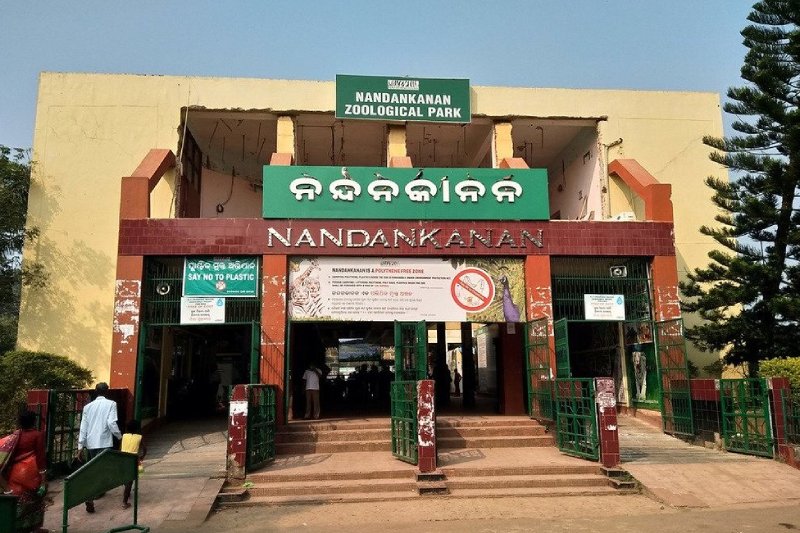
Nandankanan Zoological Park is a zoological park and wildlife conservation centre at Barang on the outskirts of Bhubaneswar, Odisha. It covers about 437 hectares and incorporates natural forest landscapes, animal enclosures, safari zones, the Botanical Garden and Kanjia Lake. The park is known for wildlife conservation, captive breeding, environmental education and its long association with white tiger conservation.
Nandankanan was established on 29 December 1960 as Nandankanan Biological Park and opened to the public in 1979. The Botanical Garden began in 1963, and the institution was renamed Nandankanan Zoological Park in 1981. The name “Nandankanan” means “The Garden of Heaven.”
The park developed from an initiative to provide permanent accommodation for animals that had been collected for display at the World Agricultural Fair in New Delhi in 1959. The Jujhagarh and Krushnanagar forest blocks near Kanjia Lake were subsequently selected as the permanent site.
Nandankanan combines wildlife exhibition with conservation and breeding programmes. Its naturalistic design uses open-top, moated enclosures rather than conventional rigid cages, while safari areas provide larger forested habitats for selected animals.
Key Attractions & Things to See
White Tiger Conservation
Nandankanan is internationally associated with white tiger conservation. In 1980, the first captive white tiger cub was born at the park from two normally coloured Bengal tigers, Deepak and Ganga.
White tigers are not a separate species. They are Bengal tigers carrying a recessive genetic colour mutation. Nandankanan's significance comes from its captive breeding history rather than being a naturally occurring wild white tiger habitat.
White Tiger Safari
The White Tiger Safari provides visitors with an opportunity to view white tigers within a larger safari setting. Safari access requires a separate ticket from the basic zoo entrance fee.
Asiatic Lion Safari
The Lion Safari is one of Nandankanan's major safari attractions. It was established in 1984 and uses a large fenced natural forest area accessed by safari vehicles.
Bear and Herbivore Safaris
The park also has dedicated Bear and Herbivore Safari areas. These safari experiences require separate tickets.
Reptile Park
The Reptile Park contains specialised enclosures for crocodilians and snakes. Moated terrariums and aquatic habitats form part of the park's naturalistic enclosure design.
Walk-Through Aviary
The walk-through aviary uses high netting and natural vegetation to provide birds with open flying space while visitors move through the enclosure along elevated paths.
Nocturnal Animal House
The Nocturnal Animal House uses reversed lighting conditions to simulate nighttime during visiting hours. This allows visitors to observe species that are normally active after dark.
Kanjia Lake
Kanjia Lake is a natural freshwater wetland adjoining the zoological park. It covers approximately 54 hectares and provides habitat for resident and migratory waterfowl. Boating is also available on the lake.
State Botanical Garden
The State Botanical Garden is located adjacent to the zoo across Kanjia Lake. Its attractions include glasshouses, an Orchid House, a Rosery, a Butterfly Park and landscaped botanical displays. The Botanical Garden and Zoological Park have distinct primary entry arrangements.
Popular Activities & Things to Do
Visitors can explore animal enclosures, participate in safari rides and walk through aviary areas. Other activities include boating on Kanjia Lake, using battery-operated vehicles, visiting the Botanical Garden and exploring the park's interpretation and educational facilities.
The Toy Train provides a ride along selected perimeter tracks. Battery-operated vehicles are particularly useful for senior citizens, visitors with physical disabilities and families who want to reduce walking distances.
Wildlife Week is observed annually from October 1 to 7, with educational workshops, guided tours, biodiversity competitions and conservation-awareness activities.
The park's Foundation Day is observed on December 29, marking its establishment in 1960.
How to Reach
By Road
Nandankanan Zoological Park is connected by road through Nandan Kanan Road from the Jayadev Vihar and Patia areas of Bhubaneswar and through Barang Road towards Cuttack.
Mo Bus services operate along the Bhubaneswar–Nandankanan corridor, with routes including Route 10 and Route 16 connecting the zoo area with major locations in the city.
Taxis, app-based cab services and local auto-rickshaws operate along this route.
By Train
Bhubaneswar Railway Station is the nearest major railway station, approximately 15–18 km from Nandankanan Zoological Park. The road journey from the station generally takes around 30–45 minutes.
Barang Junction is the nearest local railway station, approximately 2–3 km from the zoo, and serves selected local passenger trains.
By Air
Biju Patnaik International Airport in Bhubaneswar is approximately 18–20 km from Nandankanan Zoological Park. The journey generally takes around 45–60 minutes by taxi or auto-rickshaw, depending on traffic.
Distance Chart
|
From Location |
Approximate Road Distance |
|
Biju Patnaik International Airport |
18–20 km |
|
Bhubaneswar Railway Station |
15–18 km |
|
Barang Junction |
2–3 km |
|
Cuttack Railway Station / City Centre |
15–20 km |
|
Puri |
80–85 km |
|
Konark |
85–90 km |
|
Chilika Lake |
110–130 km |
Best Time to Visit
October to March is the most comfortable period to visit Nandankanan Zoological Park. Winter weather is generally pleasant and supports longer outdoor walks, with temperatures ranging from approximately 12°C to 28°C.
Morning is the preferred time for visiting. Between 8:00 AM and 11:00 AM, temperatures are cooler, animals are generally more active around feeding periods and visitor queues are typically shorter.
April to June is hot and humid, with temperatures reaching above 40°C in Bhubaneswar. Animals may remain inside shelters or shaded areas during the hottest part of the day.
July to September brings heavy monsoon rainfall. The surrounding vegetation becomes lush, but rain can interrupt outdoor walking and sightseeing.
Weekends, public holidays and the December–January picnic season can attract heavy visitor crowds.
Visitor Timings & Entry Information
Nandankanan Zoological Park remains closed every Monday for maintenance and animal-care activities.
From April to September, the park is open from 7:30 AM to 5:30 PM.
From October to March, the park is open from 8:00 AM to 5:00 PM.
The standard Indian adult entry fee is ₹50 per person. Indian children aged 3 to 12 years are charged ₹20 per person, while children below 3 years enter free. The entry fee for foreign nationals is ₹100 per person.
Safari rides and other activities are charged separately. Lion and White Tiger Safari tickets are approximately ₹65 for a non-AC bus and ₹100 for an AC bus. Bear Safari and Herbivore Safari tickets are approximately ₹15 each.
Battery-operated vehicle service costs approximately ₹80 per person. Boating on Kanjia Lake costs approximately ₹50–₹150 depending on the type of boat.
Photography charges include approximately ₹100 for a digital still camera or handy-cam and ₹500 for a high-end video camera. Commercial or movie cameras carry a charge of approximately ₹4,000 and require prior official permission.
Single-use plastic bags and bottles, weapons, alcohol, external noise equipment, firearms and illegal substances are prohibited inside the zoo. Feeding, teasing or throwing objects at animals is prohibited. Flash photography is also prohibited inside nocturnal houses and near animal enclosures.
Nearby Essential Facilities
Drinking Water
Drinking-water kiosks are available at locations throughout the main visitor tracks.
Food & Refreshments
Refreshment kiosks and fast-food stalls are available within the zoo premises. Food options are also available around the entrance and along the Patia–Nandankanan road.
Medicines
Local commercial facilities, including pharmacies and other essential services, are available around the area outside the zoo entrance.
Toilets
Public restroom complexes are provided at regular intervals within the zoo premises.
Parking and Local Transport
Shaded parking facilities are available near the entrance for two-wheelers, private cars and tourist buses. Auto-rickshaw and taxi stands are also available outside the gate.
Other Visitor Facilities
The park provides cloakroom and baggage-counter facilities, baby-care rooms, rest shelters and tree-shaded seating areas. Souvenir shops and departmental or OTDC-associated refreshment facilities are also available.
Battery-operated vehicles are available for visitors who need assistance with longer walking distances. Wheelchairs are available upon request at the main gate or administration office, and ramps are provided at key enclosure entrances and visitor areas.
Children can use the dedicated Children's Park, toy train and interactive natural interpretation facilities.
Travel Tips & Visitor Advice
-
Plan at least 3–4 hours for a comprehensive visit because the park covers more than 1,000 acres.
-
Visit between 8:00 AM and 11:00 AM for cooler conditions and greater animal activity.
-
Avoid Monday because the park remains closed.
-
Wear comfortable walking shoes because distances between enclosures can be several kilometres.
-
Carry suitable sun protection and drinking water during the hotter months.
-
Visitors travelling with elderly people or young children can use Battery-Operated Vehicles to reduce walking.
-
Purchase tickets online when available to reduce waiting during busy winter periods.
-
Keep noise levels low and never feed, tease or throw objects at animals.
-
Do not carry prohibited plastic items, alcohol, weapons or firearms into the park.
-
Do not use flash photography inside nocturnal facilities or close to animal enclosures.
-
Allow additional time if combining the zoo visit with the Botanical Garden or Kanjia Lake.
Nandankanan Zoological Park is a major wildlife conservation and visitor attraction near Bhubaneswar, combining naturalistic animal enclosures, safari experiences, the Botanical Garden and Kanjia Lake across a large forested landscape. Its history of white tiger conservation, captive breeding and environmental education makes it an important destination for families, students, wildlife enthusiasts and visitors exploring Bhubaneswar and nearby Odisha attractions.
Frequently Asked Questions
Find answers to common questions about Nandankanan Zoological Park: Visitor Guide.