About Jhumka Dam
Jhumka Dam is a minor irrigation reservoir near Deras on the outskirts of Bhubaneswar in Khordha district, Odisha. Surrounded by the natural landscape of the Chandaka forest region, it attracts visitors looking for reservoir views, outdoor relaxation, photography and winter picnics away from the busy city.
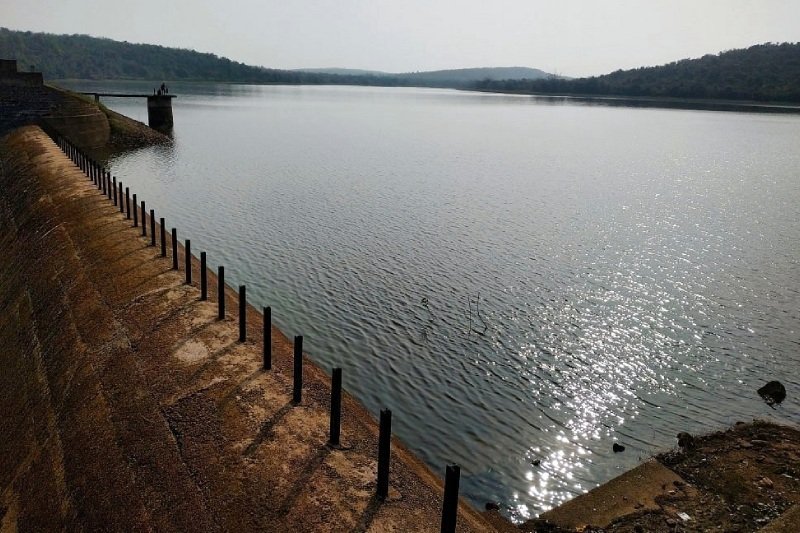
The dam was developed to store rainwater for agricultural irrigation and support local groundwater recharge. Its earthen embankment, water-storage basin and surrounding green landscape give the area a natural setting that appeals to day visitors, families and photography enthusiasts.
Jhumka Dam is primarily an irrigation structure rather than a developed tourist complex. Visitors should plan for a relatively simple outdoor experience, carry their own essentials and follow local restrictions designed to protect the surrounding forest environment.
The destination is particularly popular during the cooler months, when the weather is more comfortable for spending time outdoors. Its proximity to Deras Dam and Chandaka-Dampara Wildlife Sanctuary also makes it a possible stop on a broader nature outing from Bhubaneswar.
Key Attractions & Things to See
Reservoir Views
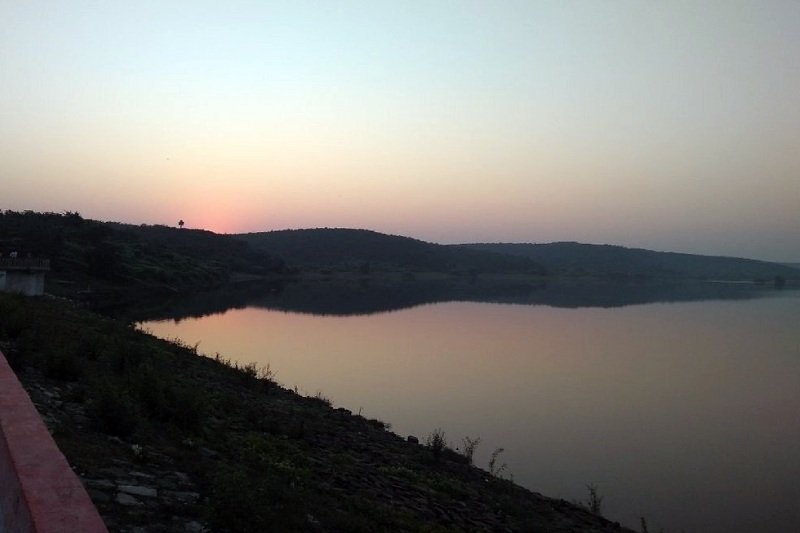
The reservoir is the main attraction at Jhumka Dam. Visitors can enjoy views of the stored water and the surrounding landscape from accessible areas near the embankment. The scenery is particularly appealing during the cooler months, when outdoor conditions are generally more comfortable.
Earthen Dam Embankment
The earthen embankment is a defining feature of the site. Its simple engineering structure reflects the dam's primary role in water storage and irrigation. Visitors should remain on safe, accessible ground and avoid climbing unstable slopes or approaching hazardous water edges.
Chandaka Forest Landscape
Jhumka Dam lies near the Chandaka forest region, giving the surrounding area a natural character. The nearby woodland landscape adds to the appeal of a short trip for visitors interested in photography and quiet outdoor surroundings.
The surrounding forest is also a wildlife habitat. Visitors should remain in accessible areas rather than entering dense vegetation or exploring isolated forest patches.
Seasonal Picnic Setting
During winter, the open surroundings attract people looking for a short picnic or a relaxed outing. The location is better suited to self-planned visits than to visitors expecting a fully equipped recreational park.
Visitors should carry food and drinking water, collect their waste and avoid activities that could damage the environment.
Popular Activities & Things to Do
Enjoy a Winter Picnic
Jhumka Dam is a suitable option for a simple daytime picnic when weather conditions are pleasant. Visitors can bring prepared food, reusable water containers and a bag for collecting waste.
Families should supervise children closely, especially around the reservoir, embankment slopes and any unfenced water edges.
Photograph the Reservoir and Landscape
The reservoir and surrounding scenery offer opportunities for casual photography and mobile photography. Morning and late afternoon can provide pleasant outdoor light.
Commercial filming and drone photography require prior permission from the relevant authorities.
Spend Time Outdoors
Visitors can enjoy the open surroundings, take short walks on accessible paths and relax away from the urban environment. Sturdy footwear is advisable because the terrain may be uneven or unpaved.
Combine the Visit with Nearby Attractions
Jhumka Dam can be included in a broader day trip covering Deras Dam, the Chandaka-Dampara Wildlife Sanctuary visitor areas or Nandankanan Zoological Park.
Allow sufficient travel time between destinations and check access arrangements for separately managed forest attractions before departure.
Observe the Natural Surroundings Responsibly
Visitors can appreciate the area's landscape without disturbing wildlife. Loud music, littering, entering restricted forest areas and approaching wild animals should be avoided.
Swimming, bathing and wading in the reservoir are hazardous because the water depth and underwater conditions may be unpredictable.
How to Reach
Jhumka Dam is located outside central Bhubaneswar, near Deras and the Chandaka forest region. A private vehicle or pre-booked taxi is a practical option because direct public transport to the dam embankment is limited.
By Road
Visitors can approach the area through routes connecting Bhubaneswar with Patia, Chandaka and the Pitapalli junction. The most suitable route depends on the starting point and current road conditions.
Approximate road distances include:
-
Bhubaneswar city centre: 25 km
-
Cuttack: 35 km
-
Deras Dam: 4 km
Private cars and hired taxis provide flexibility for visitors planning to explore more than one nearby attraction. Auto-rickshaw availability may vary by location, and onward transport to the dam should be arranged in advance.
Distance Chart
-
Bhubaneswar city centre: Approximately 25 km
-
Biju Patnaik International Airport: Approximately 25 km
-
Bhubaneswar Railway Station: Approximately 26 km
-
Baramunda ISBT: Approximately 20 km
-
Cuttack: Approximately 35 km
-
Puri: Approximately 85 km
-
Konark: Approximately 90 km
-
Deras Dam: Approximately 4 km
-
Nandankanan Zoological Park: Approximately 18 km
-
Khandagiri and Udayagiri Caves: Approximately 18 km
-
Godibari Eco-Tourism Gate: Approximately 10 km
Distances are approximate and may vary according to the selected route and starting point.
Best Time to Visit
Winter: November to February
Winter is generally the most comfortable season for visiting Jhumka Dam. The weather is comparatively mild, making it suitable for picnics, photography and spending time outdoors.
December and January are popular months for short outings, particularly on weekends and public holidays. Morning and late-afternoon visits can offer comfortable conditions for enjoying the scenery.
Summer: March to June
Summer can bring high temperatures and strong sunshine to the Bhubaneswar region. Outdoor activities may become uncomfortable during the middle of the day, particularly when shade is limited.
Visitors choosing this season should carry sufficient drinking water, use sun protection and avoid prolonged exposure to direct sunlight.
Monsoon: July to October
The monsoon season brings rainfall and may make unpaved access roads slippery or muddy. Water levels and conditions around the reservoir can change, so visitors should exercise caution and avoid approaching the water's edge.
Check local weather and access conditions before travelling during periods of heavy rain.
Best Time of Day
Morning and late afternoon are suitable periods for a visit. Daytime access is generally associated with the hours between 6:00 AM and 5:00 PM.
Visitors should leave before dark because the location is near a forest landscape where wildlife may move through the surrounding area.
Visitor Timings & Entry Information
Jhumka Dam is generally accessible during daylight hours, with typical visiting hours from 6:00 AM to 5:00 PM. Access after sunset is restricted because of the area's proximity to the Chandaka-Dampara Wildlife Sanctuary and potential wildlife movement.
Access to the open dam embankment is described as free, and separate tickets are not required for the dam itself. Fees or permits may apply at separately managed forest and ecotourism attractions nearby.
Visitors should follow local instructions and comply with any temporary access restrictions.
Visitor Rules
-
Do not swim, bathe or enter the reservoir.
-
Keep children under close supervision near water and embankment slopes.
-
Do not litter or leave plastic bottles, food wrappers or disposable containers behind.
-
Avoid open fires and unauthorised cooking in dry grass or forest areas.
-
Do not carry or use loud sound systems that may disturb wildlife.
-
Do not enter restricted forest areas or approach wild animals.
-
Obtain the required permission for commercial filming or drone photography.
-
Wear comfortable outdoor clothing and sturdy walking shoes.
-
Carry sufficient drinking water and basic first-aid supplies.
Nearby Essential Facilities
Drinking Water
Drinking-water facilities at the dam are limited. Visitors should carry sufficient drinking water for the entire outing, particularly during summer and on days when they plan to visit multiple attractions.
Small shops may be available in nearby villages, but visitors should not rely on them for all their requirements.
Food and Refreshments
Temporary tea and snack stalls may operate near the access road during busy winter weekends. Permanent eateries and restaurants can be found along the main roads connecting Chandaka with Bhubaneswar.
For a picnic, bringing prepared food is a practical option. Visitors should carry all packaging and dispose of waste responsibly after the visit.
Toilets
Formal toilet facilities at the dam embankment are limited or may be absent. Basic visitor facilities are available at the nearby Deras Ecotourism Centre.
Visitors planning a longer outing should consider toilet facilities before reaching the dam.
Fuel and Transport
Visitors travelling by car or motorcycle should plan fuel stops along the main urban or village routes before entering the more remote forest-side area. Do not assume that a fuel station is available immediately beside the dam.
A private vehicle or pre-arranged taxi is generally more practical than relying on direct public transport to the reservoir.
Parking
Informal roadside parking is available near the embankment. Parking conditions may become less convenient during busy winter weekends and public holidays.
Park without blocking access roads or obstructing other visitors.
Medical Assistance
There is no established medical facility at the dam itself. Clinics and hospitals are available in the Bhubaneswar urban area.
Carry essential personal medication and a basic first-aid kit. In an emergency, move to a safe accessible location and contact the appropriate emergency services.
Accommodation
Visitors seeking overnight accommodation can consider forest ecotourism facilities at Deras Nature Camp, subject to availability and applicable booking arrangements. Hotels and guest houses are also available in Bhubaneswar, including the Patia, Jaydev Vihar and Khandagiri areas.
Jhumka Dam is primarily a short-visit destination rather than a developed overnight tourist complex.
Mobile Network Connectivity
Mobile network coverage may be weak or inconsistent near the forest edge. Visitors should save important contact numbers and arrange return transport in advance rather than depending entirely on uninterrupted connectivity.
Accessibility for Senior Citizens and Wheelchair Users
Vehicles can reach areas near the base of the embankment, but the unpaved paths and sloping terrain can make access difficult for people with reduced mobility.
The site is not suitable for independent wheelchair access beyond the immediate parking area. Senior citizens should assess the walking distance and ground conditions before attempting to climb the embankment.
Travel Tips & Visitor Advice
Carry Your Own Essentials
Pack drinking water, prepared food, a rubbish bag, sun protection, comfortable shoes and basic first-aid supplies. These items are particularly important because the dam has limited visitor infrastructure.
Prioritise Water Safety
Do not enter the reservoir for swimming, bathing or wading. Unmonitored depths, submerged rocks and mud can create serious hazards. There are no stationed lifeguards at the site.
Keep children within sight and away from unfenced water edges.
Respect the Wildlife Habitat
The surrounding forest region is wildlife habitat. Avoid walking into dense vegetation, disturbing animals or making unnecessary noise. Follow instructions issued by forest personnel and leave the area before nightfall.
Plan Transport in Advance
Direct public transport to the dam is limited. Arrange a private vehicle or taxi, particularly if travelling with children, senior citizens or a group carrying picnic supplies.
Visitors planning to continue to Deras Dam or another nearby attraction should confirm the onward route and transport arrangements beforehand.
Keep the Picnic Area Clean
Carry reusable containers where practical and take all rubbish back with you. Avoid single-use plastics and never leave food waste behind.
Open fires and cooking equipment may be restricted in dry grass and forest zones. Follow the applicable local rules rather than assuming that every open area is suitable for cooking.
Check Conditions Before Departure
Rain, muddy access roads, wildlife-related restrictions and changes to forest access arrangements can affect the visit. Check the latest local instructions before travelling, especially during the monsoon season or after heavy rainfall.
Allow Enough Time
A visit to Jhumka Dam generally takes around one to two hours. Visitors can combine it with nearby attractions for a half-day outing, provided they account for driving time and any separate entry or booking requirements.
Jhumka Dam is best approached as a simple outdoor destination where preparation, responsible behaviour and respect for the surrounding natural environment are essential.
Jhumka Dam near Bhubaneswar is a minor irrigation reservoir that offers scenic water views and a quiet outdoor setting for winter picnics, photography and short nature outings. Its proximity to Deras Dam and the Chandaka forest region makes it a useful addition to a day trip around Khordha district. Visitors should carry their own essentials, arrange transport in advance, avoid entering the reservoir and follow local rules to protect the area's natural surroundings.
Frequently Asked Questions
Find answers to common questions about Jhumka Dam: Travel Guide, Things to Do & Best Time.