About Kapilash Chandrasekhar Temple
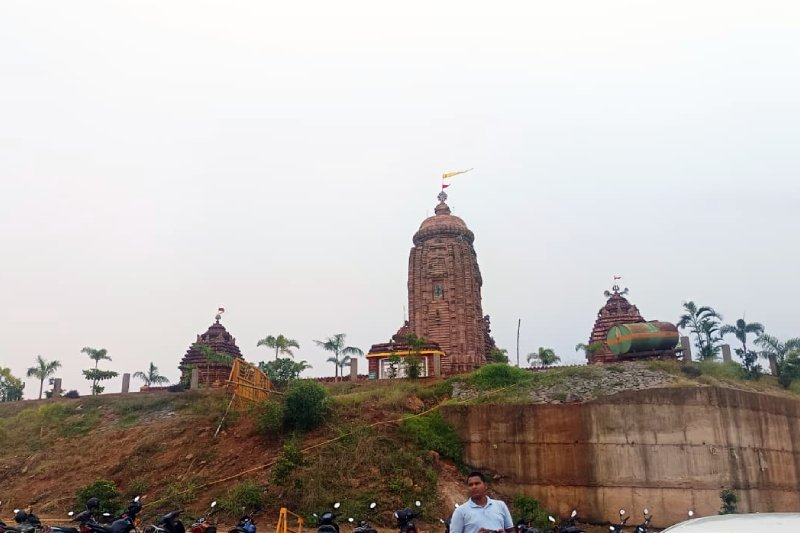
Kapilash Chandrasekhar Temple is a historic Shaivite temple situated on Kapilash Hill in Dhenkanal district, Odisha. Dedicated to Lord Chandrasekhar Mahadev, represented as a Swayambhu Shiva Lingam, the temple is an important pilgrimage destination and is traditionally revered as the Second Kailash of Odisha. Its hilltop setting, historic architecture, sacred caves and forest surroundings also make Kapilash an important cultural and eco-heritage destination.
The present temple dates to 1246 CE and was built during the reign of King Narasimhadeva I of the Eastern Ganga Dynasty, the same ruler associated with the construction of the Konark Sun Temple. The Kapilash hill region has older associations with ascetics and rishis, while the hill's religious traditions include the story of Sage Kapila maintaining his hermitage here.
Key Attractions & Things to See
Chandrasekhar Mahadev Temple
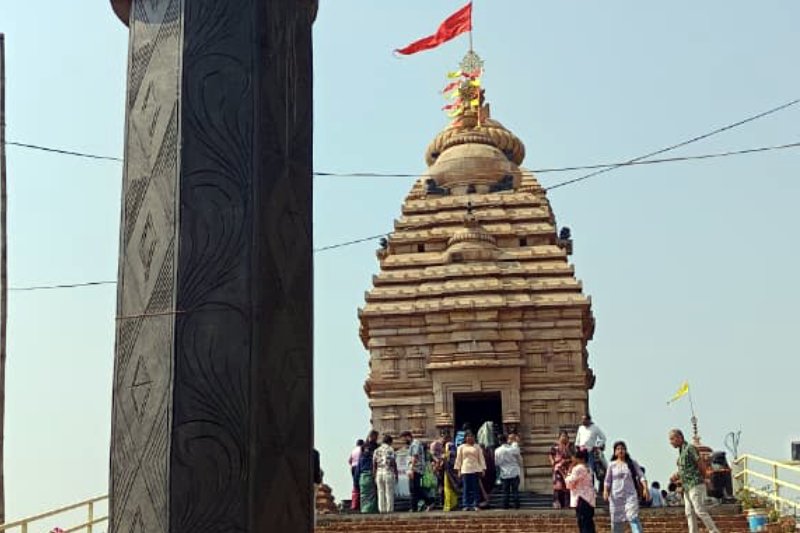
The main shrine is dedicated to Lord Chandrasekhar Mahadev, represented by a self-manifested Shiva Lingam. The temple remains the principal religious attraction on Kapilash Hill.
1246 CE Eastern Ganga Temple
The present stone temple was constructed in 1246 CE by King Narasimhadeva I of the Eastern Ganga Dynasty. Historical inscriptions within the temple precinct identify the ruler and the construction period.
Kalinga Architecture
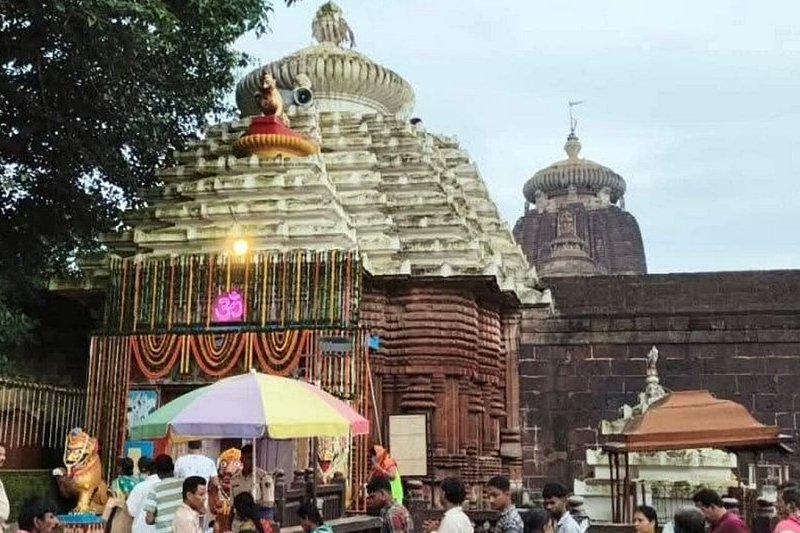
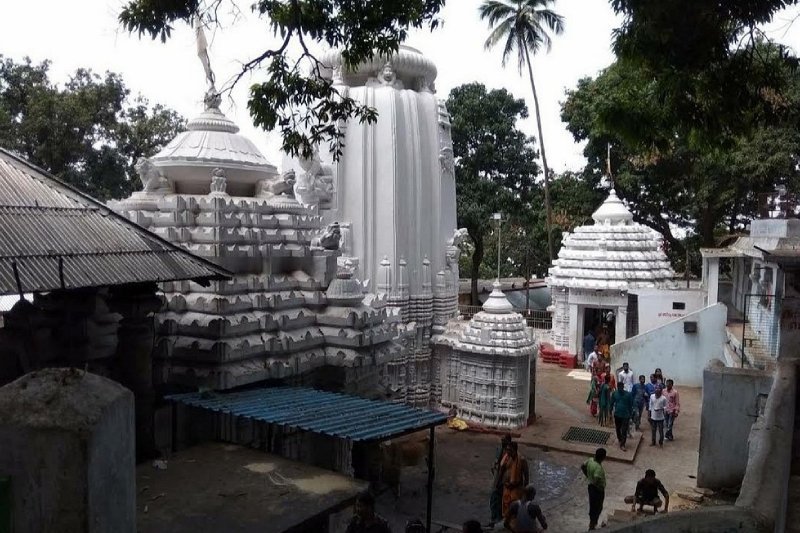
Kapilash Temple represents traditional Kalinga architecture. The main Vimana follows the Rekha Deula style and rises approximately 60 feet.
The Jagamohana is a pyramidal Pidha Deula featuring carved wooden ceiling panels and perforated stone screens known as Jalis.
The temple is primarily constructed from grey and reddish Khondalite stone, with wooden structural elements in the assembly hall.
Subterranean Sanctum
The main temple contains a subterranean sanctum housing the Swayambhu Lingam, adding to the distinctive architectural character of the shrine.
Parsva Deva Shrines
Side niches contain deities including Goddess Parvati, Lord Ganesha, Lord Kartikeya and Patitapavana, the form of Lord Jagannath associated with the temple.
Payamruta Kunda
Payamruta Kunda is a natural perennial mountain spring located on the left side of the temple. The spring feeds water directly into the sanctum.
Marichi Kunda
Marichi Kunda is a sacred water body situated on the right side of the main temple structure.
Vishwanath Temple and Budha Linga
The Vishwanath Temple is situated higher on the hill and is considered older than the main Chandrasekhar Temple. It is locally known as Budha Linga.
Caves and Medieval Remains
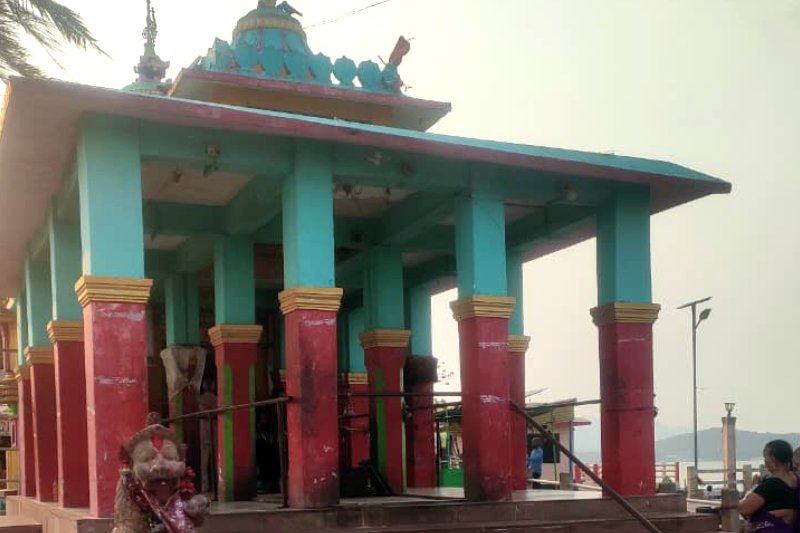
Kapilash Hill contains ancient caves, including Harihara Cave and Vishwanath Cave, along with medieval fort ruins and pre-Ganga Shaivite remains.
Hari-Hara Religious Tradition
Kapilash is primarily a Shaivite shrine but also incorporates Vaishnavite traditions through the presence of Patitapavana, a form of Lord Jagannath. This combination gives the site its Hari-Hara Pitha character.
Popular Activities & Things to Do
Visitors can:
-
Offer prayers to Lord Chandrasekhar Mahadev.
-
Explore the historic Kalinga-style temple architecture.
-
Climb the 1,352 stone steps through the Sal forest.
-
Reach the hilltop by the Barabanki Ghat Road.
-
Visit the Vishwanath Temple and Budha Linga.
-
See Payamruta Kunda and Marichi Kunda.
-
Explore the caves and historic remains around Kapilash Hill.
-
Experience the hill's forest landscape and mountain views.
-
Attend Maha Shivratri celebrations.
-
Observe the Shravan Bol Bom pilgrimage during the month of Shravana.
How to Reach
By Road
Kapilash is connected by road through NH-55 from Bhubaneswar and Cuttack. Regular government and private buses operate from Bhubaneswar, Cuttack and Angul to Dhenkanal. From Dhenkanal, visitors can continue towards the hill base by auto-rickshaw, taxi or local shuttle.
The hilltop can be reached through the Barabanki Ghat Road, a 4.5 km mountain road with 12 hairpin bends.
Visitors who prefer walking can climb the 1,352 stone steps from the hill base.
By Train
Dhenkanal Railway Station is the closest major railway station, approximately 26 km from Kapilash Temple. Cuttack Junction is approximately 65 km away.
From Dhenkanal Railway Station, the remaining journey can be completed by road.
By Air
Biju Patnaik International Airport in Bhubaneswar is approximately 90 km from Kapilash Temple. The road journey takes approximately 2–2.5 hours.
Distance Chart
-
Dhenkanal Town: Approximately 26 km
-
Cuttack: Approximately 65 km
-
Bhubaneswar: Approximately 90 km
-
Angul: Approximately 88 km
-
Puri: Approximately 145 km
-
Konark: Approximately 135 km
Best Time to Visit
October to March is the best season to visit Kapilash Temple. Cooler weather makes climbing the 1,352 steps and exploring the hill's caves and surroundings more comfortable.
October to March
The winter and post-monsoon months provide comparatively pleasant conditions, with temperatures generally ranging from 12°C to 26°C.
March to June
Summer temperatures can range from approximately 26°C to 42°C. Early morning or late afternoon is more suitable for visitors planning to climb the hill.
July to September
The monsoon brings moderate to heavy rainfall and turns the hill surroundings lush green. The stone staircase can become slippery during rain.
Best Time of Day
Early morning between 6:00 AM and 9:00 AM or late afternoon between 3:30 PM and 6:00 PM is suitable for avoiding the strongest afternoon heat.
Visitor Timings & Entry Information
-
Kapilash Chandrasekhar Temple is open daily from 6:00 AM to 1:00 PM and 3:00 PM to 7:00 PM.
-
General admission is free.
-
Visitors can reach the hilltop either by climbing the 1,352 stone steps or by taking the motorable Barabanki Ghat Road.
-
Vehicle access through the Barabanki route carries a nominal toll of approximately ₹50 for two-wheelers and ₹100 for four-wheelers.
-
Visitors should wear conservative clothing covering the shoulders and knees. Footwear must be removed before entering the temple platform.
-
Photography inside the core sanctum is prohibited. Mobile phones should be kept on silent mode or deposited in designated areas.
Nearby Essential Facilities
Drinking Water
Public drinking-water facilities are available near the base gate and upper temple concourse.
Food & Refreshments
Small eateries, stall vendors and tea shops operate around the base and hilltop areas.
Toilets
Public restroom facilities are available near the base gate and upper temple concourse.
Fuel
Fuel facilities are available in the surrounding travel corridor rather than within the hilltop temple complex. Visitors travelling by private vehicle should plan fuel requirements before ascending Kapilash Hill.
Parking
Vehicle parking is available at the hill base and near the upper Barabanki Road drop-off point.
Shoe Storage
A dedicated shoe-storage counter is available outside the main inner entrance.
Accommodation
Accommodation options include OTDC Panthanivas Dhenkanal, the Forest Rest House at the Kapilash base and private hotels in Dhenkanal town.
Travel Tips & Visitor Advice
-
Choose early morning or late afternoon for climbing the stone staircase.
-
Allow approximately 1–1.5 hours for the 1,352-step climb.
-
Wear comfortable footwear suitable for a long stone staircase.
-
Carry drinking water when taking the pedestrian route.
-
Take extra care on the steps during monsoon.
-
Visitors who find 1,352 steps physically demanding can use the Barabanki Ghat Road.
-
Senior citizens and visitors with mobility limitations should consider the physical demands of the staircase before choosing the pedestrian route.
-
Wheelchair access into the historic inner stone sanctum is limited because of the existing stairs.
-
Dress conservatively and remove footwear before entering the temple platform.
-
Keep mobile phones on silent mode within the temple precinct.
-
Do not photograph inside the core sanctum.
-
Maha Shivratri attracts large numbers of pilgrims, so additional time should be allowed during the festival.
Kapilash Chandrasekhar Temple is a historic 1246 CE Shiva temple on Kapilash Hill in Dhenkanal district, Odisha. Built by Eastern Ganga ruler Narasimhadeva I, the temple combines Kalinga architecture, a Swayambhu Shiva Lingam, sacred water bodies, ancient caves and forested hill surroundings. The 1,352-step pilgrimage route, motorable Barabanki Ghat Road and major festivals such as Maha Shivratri and Shravan Bol Bom make Kapilash an important religious and cultural destination in Odisha.
Frequently Asked Questions
Find answers to common questions about Kapilash Chandrasekhar Temple: Visitor Guide.