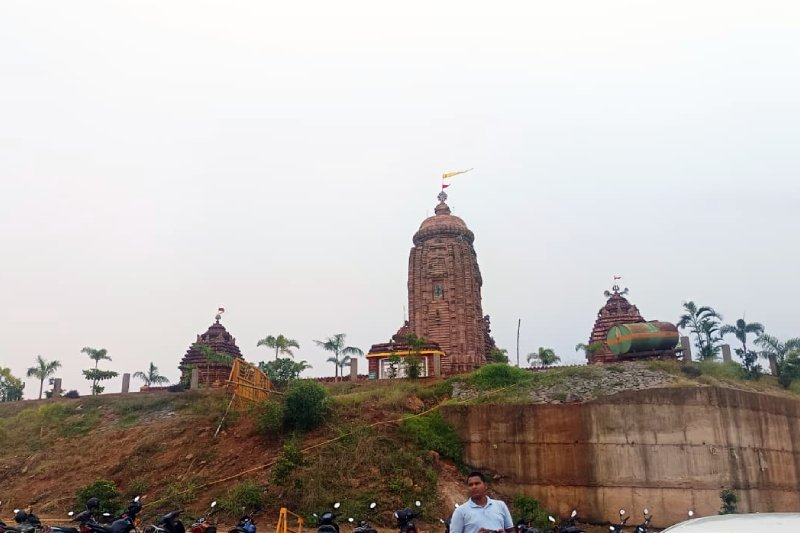
About Fategarh Ram Mandir
Fategarh Ram Mandir, also known as Fategarh Sri Ram Temple, is a modern hilltop Hindu temple located on Giri Govardhan, or Fategarh Hill, in Fategarh Village of Bhapur Block, Nayagarh district, Odisha. The temple is dedicated to Lord Ram, Maa Sita, Lord Lakshman and Lord Hanuman and also serves as a hilltop viewpoint overlooking the surrounding landscape and Mahanadi valley.
The temple was constructed between 2017 and January 2024 through a community-led initiative involving local residents and the Shri Ram Seva Parishad. It was consecrated on January 22, 2024. The hill has an older religious association with the local tradition of worshipping Giri Govardhan and has a significant connection with the 1912 Nabakalebara ritual of Lord Jagannath.
The site is particularly notable for combining a modern temple structure with traditional Kalinga architecture and a historic association with Jagannath culture.
Key Attractions & Things to See
Main Ram Mandir
The principal shrine is dedicated to Lord Ram, Maa Sita, Lord Lakshman and Lord Hanuman. The temple complex follows traditional Odia architectural principles and is built using local Baulamala stone.
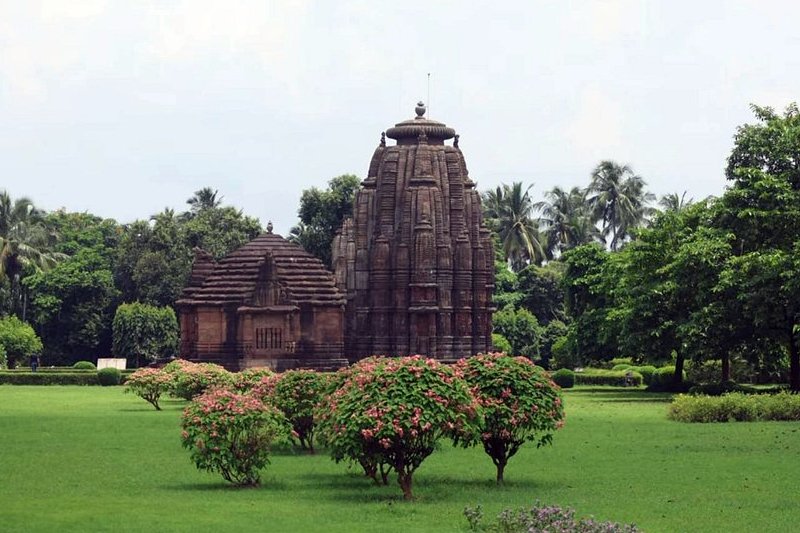
Kalinga-Style Temple Architecture
The main Vimana or Deula rises approximately 65 feet, while some measurements place the total structural height, including the spire, at about 73 feet. The Jagamohana stands approximately 35 feet high and the front Nata Mandira or Mohan Temple is approximately 25 feet high.
Around 150 skilled stone artisans were involved in the stonework.
Four Ceremonial Gates
The temple complex has four ceremonial entrance gates associated with the Lion, Elephant, Horse and Tiger.
22 Stone Steps
A flight of 22 stone steps leads toward the main sanctum. The arrangement is designed to resemble the Baisi Pahacha tradition associated with the Jagannath Temple in Puri.
Side Shrines
The complex also contains shrines dedicated to Lord Shiva, Lord Ganesha, Suryanarayana and Lord Hanuman.
Hilltop Viewpoint
The elevated setting provides views across the surrounding landscape and the Mahanadi valley. Late afternoon is particularly suitable for visitors interested in the hilltop sunset views.
Historic Nabakalebara Connection
The hill has an important connection with Lord Jagannath's Nabakalebara tradition. In 1912, sacred Daru, or Neem tree timber, used for crafting the deity of Lord Sudarshana was harvested from forests on this hill.
This historical connection predates the present Ram Mandir, which was constructed between 2017 and 2024.
Popular Activities & Things to Do
Visitors can:
-
Offer prayers at the Ram Mandir and associated shrines.
-
Explore the traditional Kalinga-style stone architecture.
-
Walk up the temple's stone steps and explore the hilltop complex.
-
Enjoy views across the surrounding landscape and Mahanadi valley.
-
Visit during evening hours for sunset views and evening arati.
-
Receive Mahaprasad during the afternoon distribution period.
-
Visit the children's park within the complex.
-
Combine the visit with nearby Kantilo Nilamadhab Temple.
How to Reach
By Road
Fategarh Ram Mandir can be approached by road from Bhubaneswar, Khordha and Nayagarh through routes connecting with NH-57, NH-16 and Fategarh Road.
Buses operate to Fategarh bus stop, which is approximately 1.8 km from the temple base. Taxis and auto-rickshaws can be hired from Khordha, Kantilo and Nayagarh.
Vehicle access is available up to the parking area near the top of the hill.
By Train
Begunia Railway Station is approximately 25 km from the temple. Khurda Road Junction is approximately 45 km away, while Bhubaneswar Railway Station is approximately 65 km away.
Visitors arriving by train can continue the journey by road.
By Air
The nearest major airport is Biju Patnaik International Airport in Bhubaneswar, approximately 62–65 km from Fategarh Ram Mandir. The road journey from the airport takes approximately 1.5–2 hours.
Distance Chart
-
Bhubaneswar: Approximately 63–65 km
-
Khordha Town: Approximately 36 km
-
Nayagarh Town: Approximately 38–40 km
-
Kantilo: Approximately 18 km
-
Cuttack: Approximately 110 km
-
Puri: Approximately 105–115 km
Best Time to Visit
October to March is the most suitable season for visiting Fategarh Ram Mandir. The weather during the winter and post-monsoon period is comparatively pleasant for hilltop sightseeing.
October to March
This period offers cooler and more comfortable conditions, with winter temperatures generally ranging from 12°C to 28°C.
March to June
Summer temperatures can reach approximately 30°C–42°C. Early morning or late afternoon is more comfortable for visiting during the hotter months.
July to September
The monsoon brings moderate to heavy rainfall and greener surroundings. The stone steps can become slippery, so visitors should take extra care while climbing.
Best Time of Day
Late afternoon, particularly between approximately 4:00 PM and 6:30 PM, is suitable for comfortable sightseeing and sunset views. Visitors arriving before 4:30 PM can also allow time for exploring the complex and attending evening arati.
Visitor Timings & Entry Information
Fategarh Ram Mandir is open daily from 5:00 AM to 7:00 PM.
Entry to the temple is free.
Mahaprasad is distributed from approximately 11:00 AM to 4:00 PM.
Modest and conservative clothing is appropriate for the temple. Photography and videography are permitted in outdoor areas and viewpoints, while restrictions apply inside the inner sanctum.
Nearby Essential Facilities
Drinking Water
Basic drinking-water points are available near the parking area.
Food & Medicines
Cooked Mahaprasad is available during the afternoon period, along with basic refreshment stalls. Small local tiffin stalls are available near Fategarh village.
Toilets
Basic public washrooms are available near the parking area.
Fuel
The available visitor information identifies fuel access in the surrounding area rather than at the hilltop temple complex itself. Visitors travelling by private vehicle should plan fuel requirements before ascending the hill.
Parking
A designated parking area is available near the hilltop and temple approach.
Children's Facilities
A small landscaped children's park is available within the temple complex, making the site suitable for family visits.
Travel Tips & Visitor Advice
-
Wear comfortable footwear suitable for stone steps and temple terraces.
-
Choose footwear that is easy to remove when entering temple areas.
-
Carry drinking water and sun protection during daytime visits.
-
Take extra care on the stone steps during monsoon.
-
Visitors with limited mobility should consider the stone-step access before planning the visit.
-
Vehicle access is available up to the parking zone near the top.
-
Avoid remaining on the hill after dark or late in the evening.
-
Visit before 4:30 PM if you want time for sightseeing before sunset and evening arati.
-
Ram Navami and weekends can attract larger crowds; early morning is more suitable for a quieter visit.
-
Combine Fategarh Ram Mandir with Kantilo Nilamadhab Temple for a broader day-trip itinerary.
Fategarh Ram Mandir is a modern hilltop temple in Fategarh Village, Nayagarh district, dedicated to Lord Ram, Maa Sita, Lord Lakshman and Lord Hanuman. Built between 2017 and 2024 through a community-led initiative, the temple combines traditional Kalinga architecture, hilltop views and a significant 1912 connection with Lord Jagannath's Nabakalebara tradition. Its location near Kantilo makes it suitable for combining with other religious and cultural attractions in the region.
Frequently Asked Questions
Find answers to common questions about Fategarh Ram Mandir: Visitor Guide.