About Chausathi Yogini Temple, Hirapur
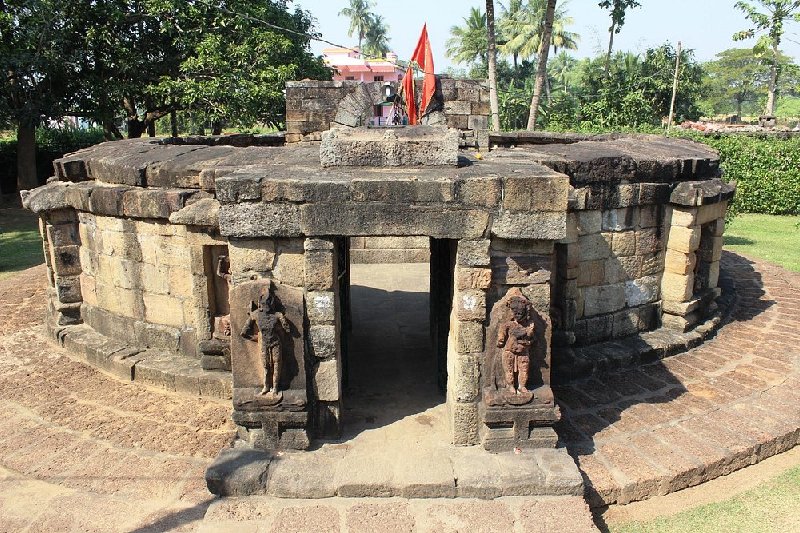
Chausathi Yogini Temple is a historic Tantric Hindu shrine dedicated to the 64 Yoginis and Goddess Mahamaya. It is located at Hirapur village near Balianta in Khordha district, approximately 15 km from the centre of Bhubaneswar. The temple is notable for its circular, roofless design and its collection of Yogini sculptures.
The temple dates to the 9th century CE and is associated with the Somavamshi dynasty of ancient Kalinga. It represents the development of Tantric Shaktism and related traditions in eastern India during the early medieval period.
The shrine was rediscovered in 1953 by Kedarnath Mahapatra of the Odisha State Museum. It is protected as a Monument of National Importance under the Archaeological Survey of India.
Key Attractions & Things to See
Circular Open-to-Sky Temple
The temple has a circular enclosure with a narrow entrance passage on the eastern side. Its outer diameter is approximately 30 feet, with walls about 8 to 9 feet high.
Unlike conventional temples, the shrine has no traditional roof or vimana. The open-to-sky design is one of its defining architectural features.
The 64 Yogini Sculptures
The inner circular wall contains 60 niches with Yogini sculptures. The figures are depicted standing on animals, human heads or other vahanas.
The central pavilion contains four additional Yoginis and four Bhairavas, completing the group of 64 Yoginis associated with the temple.
Goddess Mahamaya
Goddess Mahamaya is regarded as the presiding deity of the temple and occupies Niche No. 31. Local traditions regard Mahamaya as a protective deity of the surrounding region.
Central Chandi Pitha
A square central pavilion, known as the Chandi Pitha or Debi Pitha, stands within the circular enclosure. It contains images associated with Shiva, Bhairava and the Yoginis.
Katyayani Sculptures
The exterior sandstone wall contains nine niches featuring Katyayanis, depicted as female guardians carrying swords and shields. Bhairava figures are positioned near the entrance passage.
Popular Activities & Things to Do
Visitors can explore the circular temple enclosure and observe the individual Yogini sculptures and other stone carvings.
The site is suitable for visitors interested in Odisha's temple architecture, archaeological heritage, Tantric traditions, sculpture and early medieval history.
Visitors can also spend time observing the open-to-sky architectural design and the relationship between the circular enclosure, central pavilion and sculptural arrangement.
Daily puja continues at the temple, combining traditional Vedic and Shakta practices with local customs.
How to Reach
By Road
Chausathi Yogini Temple is accessible from Bhubaneswar via the Bhubaneswar-Puri bypass road towards Balianta and Hirapur.
Auto-rickshaws, app-based ride cabs such as Uber and Ola, and private taxis are available from Bhubaneswar. Public buses to Balianta are also available, followed by a short auto-rickshaw journey to Hirapur.
By Train
The nearest railway station is Bhubaneswar Railway Station, approximately 14 km from the temple.
The journey from the railway station generally takes around 30 to 40 minutes.
By Air
The nearest airport is Biju Patnaik International Airport in Bhubaneswar, approximately 15 km away.
The journey from the airport takes around 30 to 45 minutes by taxi or auto-rickshaw via NH-16 and the Balianta road.
Distance Chart
-
Bhubaneswar Railway Station: approximately 14 km
-
Biju Patnaik International Airport: approximately 15 km
-
Lingaraj Temple, Bhubaneswar: approximately 12 km
-
Cuttack: approximately 32 km
-
Puri: approximately 55 km
-
Konark Sun Temple: approximately 60 km
-
Chilika Lake, Barkul: approximately 105 km
Best Time to Visit
October to March is the most suitable season for visiting Chausathi Yogini Temple, with generally milder and more comfortable weather.
Early morning between 6:30 AM and 9:00 AM or late afternoon between 4:00 PM and 6:00 PM can provide more comfortable conditions for exploring the open-to-sky temple and viewing its sculptures in natural light.
Summer from March to June is hot and humid, with temperatures ranging from around 30°C to 42°C. The monsoon period from July to September brings heavy rainfall and humid conditions.
Winter from October to February is comparatively mild, with temperatures ranging from approximately 13°C to 26°C.
Visitor Timings & Entry Information
-
The temple is open daily from 6:00 AM to 7:00 PM.
-
Darshan is available from 6:00 AM to 12:00 PM and from 4:00 PM to 7:00 PM.
-
Entry is free.
-
Visitors are advised to wear modest clothing covering the shoulders and knees. Footwear is removed outside the temple entrance.
-
Still photography is allowed outside and around the temple's outer wall. Flash photography inside the enclosure is restricted. Tripod use and commercial videography require prior written permission from the Archaeological Survey of India.
-
Alcohol, tobacco, weapons, leather goods within sacred zones and drones without regulatory clearance are prohibited.
-
Non-Hindu and foreign visitors are allowed inside the temple enclosure.
Nearby Essential Facilities
-
Basic drinking water is available near the temple, while bottled water can be purchased from local shops.
-
Basic toilet facilities are available near the temple, with additional facilities around the local market area.
-
Limited parking is available near the entrance, with vehicle parking also available outside the village lane.
-
Food and refreshments are not available inside the temple premises. Local stalls outside the temple provide tea, snacks and tender coconut. More dining options are available along the Puri Bypass road and in Bhubaneswar.
-
There is no accommodation facility at the temple. Visitors can stay in Bhubaneswar, approximately 14 km away, where budget, mid-range and luxury accommodation options are available.
-
ATMs and banking facilities are available at Balianta, approximately 3 km away.
-
Wheelchair access inside the temple is very limited because of the narrow entrance and lack of ramps within the circular enclosure.
Travel Tips & Visitor Advice
-
Wear comfortable, modest clothing suitable for visiting an active place of worship.
-
Choose footwear that is easy to remove because shoes must be removed before entering the temple area.
-
Allow approximately 45 minutes to 1.5 hours to explore the temple and examine its sculptures.
-
Daylight hours are suitable for viewing the detailed stone sculptures. Morning and late afternoon visits also provide more comfortable conditions.
-
Senior citizens and children can walk approximately 50 metres from the main gate to the temple enclosure. There are low steps inside.
-
Wheelchair users may face significant access restrictions. The entrance tunnel is approximately 80 cm wide and has stone thresholds, making standard wheelchair access to the inner area difficult.
-
Visitors attending during festivals should expect increased local activity. Maha Shivaratri features night-long prayers and special offerings, while Durga Puja and Navratri are associated with Shakta worship and decorations. The Chausathi Yogini Mahotsav features classical dance and music programmes during the winter period.
Chausathi Yogini Temple at Hirapur is a historic 9th-century temple near Bhubaneswar known for its circular open-to-sky architecture, 64 Yogini sculptures and association with Tantric Shaktism. Its compact layout, distinctive sculptures and proximity to Bhubaneswar make it an important heritage and religious site to explore while visiting Odisha.
Frequently Asked Questions
Find answers to common questions about Chausathi Yogini Temple: History, Location, Timings & Travel Guide.